
Let’s be real — crypto investing in 2026 looks a lot different than it did even two years ago. Between AI-driven analytics, tighter IRS reporting rules, and a market still shaking off 2025’s rough patch, investors need sharper tools just to keep up. Whether you’re tracking assets across five wallets or trying to make sense of your first 1099-DA form, having the right toolkit is no longer optional.
In this guide, you’ll find the best crypto tools and resources for investors in 2026 — covering portfolio management, on-chain research, tax software, security essentials, and educational platforms. We’ll also break down the real benefits, the risks you need to watch for, and where this space is headed next.
Why Every Crypto Investor Needs the Right Toolkit in 2026
Crypto markets run 24/7, and this year brings a new layer of complexity: as of the 2026 filing season, covered US digital asset brokers must report your crypto sales directly to the IRS using Form 1099-DA, covering transactions from 2025 onward. MetaMask
That means the days of casually eyeballing your gains are over — accurate tracking tools have gone from “nice to have” to essential. On top of tax pressure, 2025 was a rough year for crypto overall, which has pushed more investors toward data-driven decision-making rather than hype-chasing, making research and analytics tools more relevant than ever heading into 2026. Coin Bureau
What This Guide Covers
Before diving in, here’s a quick preview of what’s ahead:
- The best portfolio tracking tools, including new AI-powered options
- On-chain research and analytics platforms serious investors rely on
- Crypto tax software built to handle the new 1099-DA reporting rules
- Security tools every investor should have in place
- Educational resources to keep sharpening your crypto knowledge
- Benefits, risks, and where crypto tools are headed next
If you want to build a stronger foundation first, check out our related guide, Understanding Blockchain Basics for New Investors, which pairs well with everything covered here.
Top Portfolio Tracking Tools for Crypto Investors in 2026
Manually tracking crypto across wallets and exchanges is still a headache — but trackers have gotten noticeably smarter this year, with many now baking in AI-driven insights.
CoinStats remains one of the top all-around choices, with over 1 million users worldwide managing more than $100 billion in combined assets, and support for 120 blockchains, 300+ wallet and exchange integrations, and 1,000+ DeFi protocols. Cryptonomist
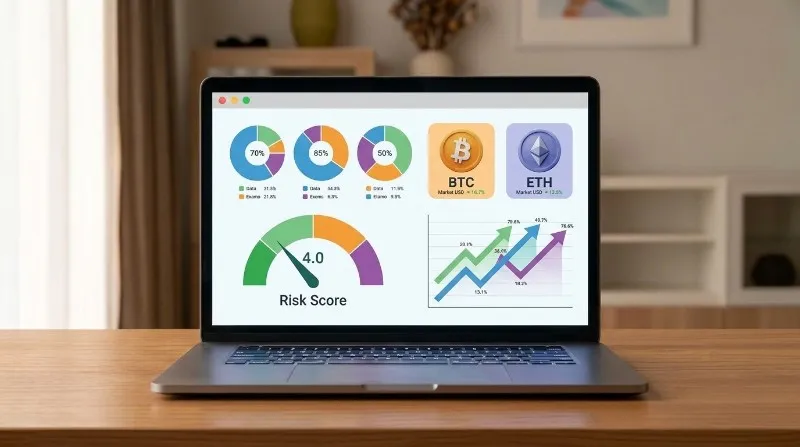
A newer trend this year is AI-powered portfolio platforms that go beyond simple tracking, offering automated risk assessment, personalized alerts, and performance attribution — a shift that’s changing how investors interact with their holdings day to day. AllInvestView
For investors juggling both CeFi holdings and DeFi positions, dedicated multi-chain trackers now combine wallet aggregation, price alerts, and news feeds filtered by your actual holdings, cutting down the “tool sprawl” many active investors deal with.
| Tool | Best For | Standout Feature (2026) |
|---|---|---|
| CoinStats | Overall tracking | 1,000+ DeFi protocol integrations |
| AI Portfolio Trackers | Automated insights | AI-driven risk scoring & alerts |
| Multi-chain apps | CeFi + DeFi combo | Unified wallet + news feed |
| CoinTracking | Tax + tracking combo | 400+ exchange imports |
Research and On-Chain Analytics Platforms Worth Bookmarking
If you want data-backed decisions instead of gut feelings, on-chain research tools are essential in 2026. Investors and analysts increasingly rely on a core stack that includes Nansen, Arkham, Glassnode, Dune, and Lookonchain to track wallet activity, whale movements, and market sentiment in real time. LinkedIn
TradingView remains the go-to for charting and technical analysis, while DeFi Llama continues to be the standard for tracking total value locked across DeFi protocols. Newer AI-assisted platforms are also emerging that help investors filter through thousands of tokens to spot potentially profitable projects faster, though as always, these should support your research rather than replace it entirely.
Crypto Tax Software: Navigating the New 1099-DA Era
Tax season in 2026 is genuinely different. Starting with 2025 transactions filed this year, digital asset brokers must report your trades to the IRS, and brokers are scheduled to begin reporting cost basis for transactions on or after January 1, 2026. MetaMask
This shift has created real complications. Attorneys and tax professionals have flagged specific issues investors should watch for this filing season, including:
- Incomplete cost basis reporting — the IRS may treat missing basis as zero, inflating your taxable gains
- Coinbase-Gemini-Kraken transfer mismatches — moving assets between exchanges can create phantom capital gains if not tracked properly
- FIFO defaulting — your cost basis method matters more than ever, and defaults may not work in your favor
As one tax attorney put it during industry discussions, “Once Form 1099-DA goes out, there’s nowhere to run, nowhere to hide, because exchanges are going to expose all your trades to the IRS.” Forbes
Given this, dedicated tax software matters more than ever. Popular options this year include:
- Koinly — strong for multi-jurisdictional reporting and DeFi transaction handling
- CoinLedger — integrates with TurboTax and other major filing platforms
- CoinTracking — combines tax reporting with robust portfolio tracking across 100+ countries
- ZenLedger and TokenTax — solid for complex histories involving staking, NFTs, and cross-exchange transfers

Security Tools Every Investor Should Use
No crypto toolkit is complete without solid security practices. Hardware wallets like Ledger and Trezor remain the gold standard for storing significant holdings offline, safely away from exchange hacks or phishing attempts.
For everyday use, software wallets like MetaMask and Trust Wallet offer convenience while keeping you in control of your private keys. It’s also smart to periodically use tools like Revoke.cash to review and revoke old smart contract permissions — a step many investors forget until it’s too late.
Two-factor authentication apps (skip SMS-based 2FA when possible) and separate email addresses for exchange accounts round out a solid personal security setup heading into this tax-heavy year.
Educational Resources to Keep Learning
Crypto moves fast, and 2026 is no exception. Free resources like Binance Academy continue to offer beginner-friendly courses covering blockchain fundamentals through advanced trading strategies.
Following credible analysts and staying plugged into industry conferences and discussions also helps you stay grounded, especially as tax rules and market conditions keep shifting. Just be cautious about verifying information before acting on it — misinformation still runs rampant in crypto communities.
Benefits of Using the Right Crypto Tools
Investors who build a solid toolkit tend to see real, measurable advantages.
- Sharper decision-making — real-time, AI-assisted data reduces guesswork
- Time savings — automated tracking beats manual spreadsheets every time
- Tax compliance — critical now that the IRS has full visibility via Form 1099-DA
- Improved security — proactive tools catch vulnerabilities before they cause losses
- Cleaner portfolio view — a consolidated dashboard makes rebalancing far easier
Challenges and Risks to Watch Out For
That said, tools alone won’t solve everything, and a few pitfalls are worth flagging.
Many free tools cap transaction volume or blockchain support, which can catch investors off guard right when tax season hits. Connecting wallets via API keys also carries some risk, so always double-check permissions before linking accounts to any tracker.
There’s also the cost basis problem highlighted by tax professionals this year — if your exchange transfers aren’t tracked cleanly across platforms, you could end up with phantom gains or an inflated tax bill. And with so many new AI-powered tools launching, it’s easy to fall into “tool overload.” Sticking with two or three trusted platforms usually beats juggling ten half-used apps.
Future Outlook: Where Crypto Tools Are Headed
Looking ahead, expect crypto tools to lean even further into AI-driven automation. Predictive risk scoring, automated cost-basis reconciliation across exchanges, and smarter rebalancing suggestions are already appearing in newer platforms, and this will likely accelerate as regulatory clarity around Form 1099-DA continues to develop.
There’s also growing advocacy within the industry — including efforts around a “de minimis exemption” — aimed at fixing some of the more chaotic aspects of the current crypto tax system, which could reshape how tools handle reporting in coming years. Bitcoin Magazine
For deeper context on where the broader market is heading this year, our related piece, Top DeFi Trends Shaping the Next Bull Run, pairs well with the tools covered here.
Final Thoughts
Building a reliable crypto toolkit in 2026 isn’t about chasing every new app — it’s about finding a handful of trustworthy platforms that match how you actually invest and file taxes. Whether that’s an AI-powered tracker, dedicated tax software for the new 1099-DA rules, a hardware wallet, or an on-chain research dashboard, the goal stays the same: more clarity, fewer surprises at tax time, and smarter decisions.
Start with one or two tools from this list, get comfortable, and build outward as your portfolio and needs grow.
Which crypto tool has made the biggest difference in how you invest this year? Drop a comment below, share this guide with someone navigating their first 1099-DA season, and subscribe to our newsletter for more practical crypto guides.
Frequently Asked Questions
1. What are the best crypto tools and resources for investors in 2026? The essentials include a reliable portfolio tracker like CoinStats, tax software built for Form 1099-DA reporting like Koinly or CoinLedger, a hardware wallet for security, and an on-chain research tool like Nansen or Dune for deeper analysis.
2. What is Form 1099-DA and why does it matter now? Form 1099-DA is the new IRS form that digital asset brokers must use to report your crypto sales, starting with 2025 transactions filed in 2026, giving the IRS direct visibility into your trading activity.
3. Do I still need crypto tax software if my exchange sends me a 1099-DA? Yes, because cost basis reporting is still being phased in, and transfers between exchanges can create reporting mismatches, so dedicated software helps you reconcile everything accurately.
4. Are AI-powered crypto portfolio trackers worth using in 2026? They can be, especially for automated risk assessment and personalized alerts, but they should complement your own judgment rather than replace careful research.
5. What’s the safest way to store crypto long-term? Hardware wallets like Ledger or Trezor remain the safest option since they keep your private keys offline, away from exchange hacks and phishing attempts.
6. How do I avoid phantom capital gains from exchange transfers? Use tax software that properly tracks cost basis across all your exchanges and wallets, and keep detailed records of transfers to avoid the IRS treating your basis as zero.
7. What should I do if I connected my wallet to a suspicious app? Use a tool like Revoke.cash immediately to check and revoke smart contract permissions, and consider moving your funds to a new wallet as a precaution.
8. Will crypto tax rules keep changing after 2026? Likely yes — there’s active industry advocacy for changes like a de minimis exemption, so staying updated through credible tax and crypto news sources is important going forward.