
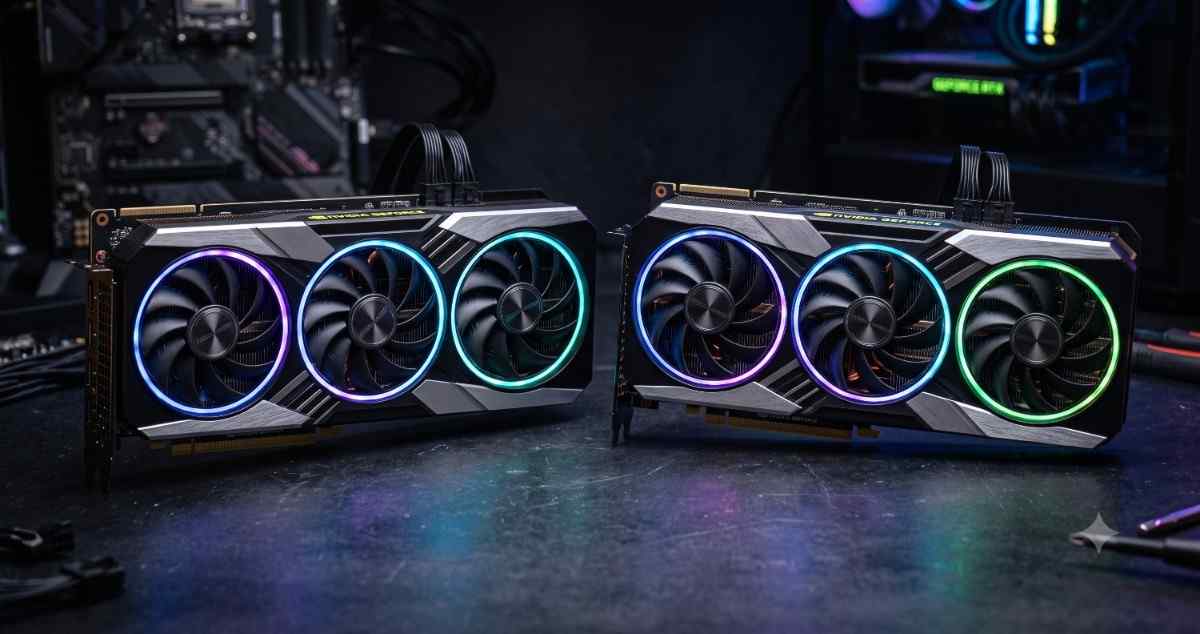
The RTX 5080 vs RTX 4080 debate is the question on every PC builder’s mind right now — and honestly, it’s not as simple as “newer is better.” NVIDIA’s Blackwell-powered RTX 5080 promises big leaps in gaming, AI, and content creation, but the RTX 4080 is still a beast that many gamers already own. So is it time to upgrade, or should you hold your wallet?
In this deep-dive comparison, we’ll break down specs, real-world performance, power draw, pricing, and who each card is actually for — in plain language, no jargon overload.
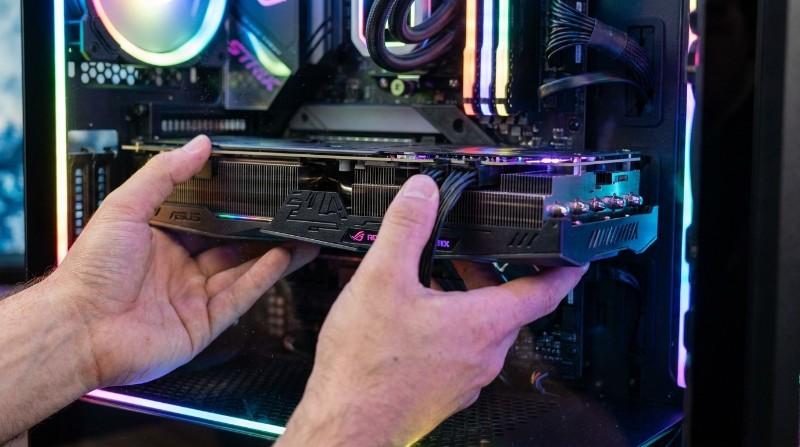
What You’ll Learn in This Article
- A clear side-by-side of the RTX 5080 vs RTX 4080 specs
- Gaming benchmarks at 4K and 1440p, plus ray tracing and DLSS
- How each card handles content creation and AI workloads
- Power, cooling, and pricing realities for 2026
- A straight answer on whether you should upgrade
If you’re building a rig partly for AI or crypto workloads, it’s worth pairing this with our look at the top crypto mining coins to watch — GPU choice matters a lot there too.
RTX 5080 vs RTX 4080: Quick Specs Overview
Let’s start with the numbers. Here’s how the Blackwell-based RTX 5080 stacks up against the Ada Lovelace RTX 4080.
| Feature | RTX 5080 (Expected) | RTX 4080 (Official) |
|---|---|---|
| Architecture | Blackwell (Ada-Next) | Ada Lovelace |
| CUDA Cores | 14,000+ | 9,728 |
| VRAM | 20GB GDDR7 | 16GB GDDR6X |
| Memory Bus | 320-bit | 256-bit |
| Total Graphics Power | ~350W | 320W |
| Ray Tracing Cores | Next-Gen RT | 3rd Gen RT |
Three things jump out immediately. The massive core increase — over 14,000 CUDA cores — gives the 5080 serious parallel muscle. The next-gen GDDR7 memory with a wider bus dramatically improves throughput for 4K and AI tasks. And despite the higher power figure, Blackwell’s efficiency is expected to improve performance-per-watt. For the official spec sheet, NVIDIA’s own GeForce graphics card comparison is the source of truth.
Gaming Performance Benchmarks
4K Ultra Gaming
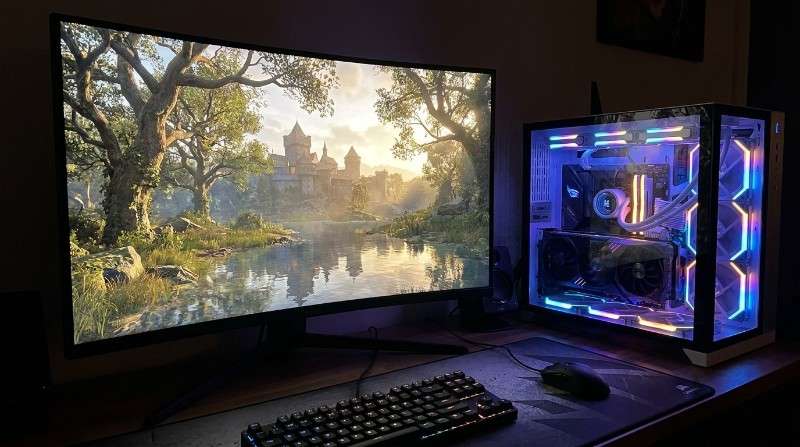
At 4K Ultra, the RTX 5080 is where the upgrade story gets exciting. Early leaks point to a 20–30% performance gain over the 4080 in both synthetic and real-world tests. That said, the RTX 4080 is no slouch — it already pushes 100+ FPS in most modern titles at 4K with DLSS 3 enabled.
1440p Competitive Gaming
For high-refresh esports players, both cards fly. The 5080 should deliver even higher average FPS at 240Hz+, but honestly the 4080 is already overkill for most 1440p players. If you live at 1440p, the upgrade is hard to justify on frames alone.
Ray Tracing and DLSS
This is NVIDIA’s playground. The RTX 5080 is rumored to launch with DLSS 4, bringing smarter AI frame generation and cleaner image quality. The RTX 4080 runs DLSS 3, which is still a huge leap over DLSS 2.0 and holds up beautifully in demanding titles.
Content Creation and AI Workloads
If you render in Blender, edit video, or train AI models, the gap widens. The 5080 promises 25–40% faster rendering in tools like Blender and Unreal Engine. The 4080 still handles professional work impressively — just not as efficiently as Blackwell.
Power, Cooling, and Thermal Design
Power is a real consideration here. The RTX 5080’s estimated ~350W TGP means you’ll likely want a 750W+ PSU, especially alongside a high-end CPU or any overclocking. The RTX 4080’s 320W draw plays nicely with most quality 700W units.
Cooling-wise, expect the 5080 to ship with larger triple-fan designs and improved vapor chamber cooling. The 4080 already runs cool and quiet under load. The silver lining: Blackwell is built for efficiency, so power draw per frame may actually be lower despite the higher peak.
Pricing and Market Value
| GPU | Estimated Price (USD) |
|---|---|
| RTX 5080 | $1,199–$1,399 |
| RTX 4080 | $1,199 (MSRP) |
GPU prices remain stubbornly high thanks to AI demand and gamer appetite. But here’s the opportunity: once the 5080 lands, the RTX 4080 could drop in price, making it a genuine sweet-spot buy for budget-conscious builders. As detailed in PC Gamer’s RTX 4080 review, the 4080’s value proposition only improves as discounts arrive.
Should You Upgrade? The Honest Breakdown
Benefits of Going With the RTX 5080
- Future-proof 4K gaming with consistent 120+ FPS in upcoming AAA titles
- Faster AI and 3D workloads for researchers, creators, and artists
- DLSS 4 and next-gen RT cores for long-term relevance
- More VRAM and bandwidth for AI video generation and large models
Reasons to Stick With the RTX 4080
- You already own it, or can grab it at a discount
- You game primarily at 1440p or 1080p with high refresh rates
- You want to avoid a costly PSU or case upgrade
- Your budget doesn’t stretch to another $1,200+ card
Challenges and Considerations
No upgrade is free of caveats. The 5080’s premium price could actually worsen its performance-per-dollar ratio compared to a discounted 4080. There are also compatibility hurdles: make sure your PSU handles 750W+, your case fits triple-slot designs, and you have PCIe 4.0 or 5.0 to avoid bottlenecks. If you’re upgrading GPUs partly to future-proof a broader tech setup, our guide on starting to invest in crypto safely is a useful companion for planning big-ticket tech spending wisely.
Future Outlook
The RTX 5080 is clearly built for what’s coming — AI-enhanced games, real-time 3D environments, and large neural networks. Its DLSS 4 support and expanded memory make it a smart 3–5 year investment for enthusiasts. The RTX 4080, meanwhile, is quietly becoming the value champion of late 2026 as prices soften. Both cards will stay relevant for years; the real question is how much you want to pay to be on the cutting edge.
Conclusion
In the RTX 5080 vs RTX 4080 showdown, the 5080 wins on raw performance, memory, and future-readiness — but at a premium that not everyone needs to pay. If you’re chasing 4K perfection or serious AI and creative workloads, the leap makes sense. If you’re a happy 1440p gamer or hunting value, the RTX 4080 (especially discounted) remains a phenomenal choice.
Which side are you on? Drop a comment telling us whether you’re jumping to the RTX 5080 or holding onto your 4080, share this guide with a fellow builder, and subscribe to the ThePulseTime newsletter for more hardware breakdowns.
Here’s a question to leave you thinking: is chasing the newest GPU every generation actually worth it — or is smart timing the real win?
FAQs
1. Is the RTX 5080 much faster than the RTX 4080? Early leaks suggest a 20–30% gain in 4K gaming and up to 40% faster rendering, thanks to Blackwell architecture and more CUDA cores.
2. How much will the RTX 5080 cost? It’s expected to launch between $1,199 and $1,399, slightly above the RTX 4080’s original $1,199 MSRP.
3. Do I need a new power supply for the RTX 5080? Likely yes. With a ~350W TGP, a 750W+ PSU is recommended, especially with a high-end CPU or overclocking.
4. Is the RTX 4080 still worth buying in 2026? Absolutely, especially at a discount. It’s excellent for 1440p and 4K gaming and remains a strong value pick.
5. What is DLSS 4? It’s NVIDIA’s next-gen AI upscaling expected on the RTX 5080, offering smarter frame generation and improved image quality over DLSS 3.
6. How much VRAM does each card have? The RTX 5080 is expected to have 20GB of GDDR7, while the RTX 4080 has 16GB of GDDR6X.
7. Is the RTX 5080 good for AI and content creation? Yes. Its extra cores, VRAM, and bandwidth make it strong for 3D rendering, video editing, and AI model training.
8. Should 1440p gamers upgrade to the RTX 5080? Usually not. The RTX 4080 already delivers excellent high-refresh 1440p performance, so the upgrade offers little benefit.

Leave a Reply